


Salts & Umami: Ionic Compounds

Teacher Page
Links
This is a required assessment for the Science & Cooking for Educators Program.
No Google Drive resources are available at this time. Questions? Reach out to us.
New to our resources?
This Quick Orientation Guide will help you navigate them easily.
A student-facing page for this lesson is not currently available but will be in the future.
Overview
time:
6
-
8
class periods
standards:
HS-PS1-1, HS-PS1-2, HS-PS2-6
science concepts:
ionic compounds, ionic bonds, polyatomic ions
Summary
Explore ionic compounds- how they form, why they form, and their properties- by making sense of ingredient labels and exploring a primary ingredient behind umami: MSG.
This lesson was recently updated.
Update Date:
June 2026
Summary of Updates
V2 Updates:
● Nuun Tablet Phenomenon: adjustments + more time on modeling
● Lesson 1.2 "Putting the Pieces Together: Ions" — small group work + peer-to-peer emphasis
● Lesson 1.3: more scaffolding for ionic compound ratios (builds on Salt)
● Lesson 1.4: more scaffolding/practice modeling dissolution; Polyatomic Ions + Puzzle Piece adjustments
New Interactives:
● Practice building ionic compounds and ratios (used across lessons)
V2 Updates:
- Nuun Tablet Phenomenon- Adjustments + Additional Time Spent on Model
- Small adjustments to "Putting the Pieces Toghetr: Ions" in Lesson 1.2 (emphasis on small group work + peer to peer instruction)
- Lesson 1.3- Bigger adjustments to making sense of ratios in ionic compounds- more scaffolding/support to first make sense of ratio before adding in elements. Build on ideas on ratios from salt.
- Lesson 1.4- Adjustments to Polyatomic Ions and Puzzle Piece Models to Add in more scaffolding and practice modeling dissolution multiple times
New Interactives
- New interactive to practice building different ionic compounds and make sense of ratio (used in multiple lessons)
Classroom Slides & Student Handouts
Guidelines for Adapting Worksheets or Slides:
-
Attribution: If you adapted a worksheet, add "Adapted from" to the @bitescizededucation on the footer.
-
Slides: If you change the style of the slides, keep the Bite Scized Education logo in the top corner or add to all slides "adapted from @bitescizededucation" at the bottom.
-
-
Logos: Please keep our logos on all documents.
-
Sharing: These resources should not be shared with teachers who have not purchased these lessons or participated in our professional development sessions. If you have an interested colleague, reach out to us @bitescizededucation@gmail.com.
-
Support: If you have any issues accessing the folder, please reach out to us at bitescizededucation@gmail.com for assistance.


Simulations for this Lesson
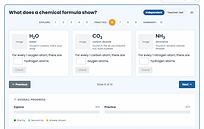
Acids Exploration (Preview)

Tea and Temperature

Modeling Smell

How is Tea Made?
Simulations are available when lessons are purchased in units or longer sequences.
You must be logged in to access these simulations. Create a general student account for students to access simulations and resources here.
New Lesson Plan Format Available!
We've moved away from the long scrolling doc! The new format is designed to be easier to navigate—key info stays accessible but out of your way until you need it.
What's new:
-
Toggle sections open/close so you see the big picture first, details when you need them
-
Easily jump around from lesson to lesson
-
Filter activities by type to plan your week at a glance
-
Unit overview and NGSS alignment tucked away, but just a click away
- Consolidated shopping list for easier planning and easier navigation to lab prep information
Exit out of this box to stick with the old format.
No additional documents are available at this time.
If you believe this is an error, reach out to us.
If you're experiencing difficulties with a document uploading, try switching to a different tab and then returning the tab or refreshing the page.